🫁 Lung Cancer
Can Lung Cancer Be Cured? A Surgeon's Honest Perspective
July 16, 2026
8 min read

As a surgical oncologist who has performed over 1,000 cancer surgeries — a significant number of which have been for lung cancer — I am asked this question almost every day: "Doctor, is lung cancer curable?"
The honest answer is: Yes — when caught early, lung cancer is very much curable. And the definition of "early" is shifting in our favour every year, thanks to advances in imaging, minimally invasive surgery, and targeted therapies.
Let me explain what I mean — as a surgeon who operates on lung cancer patients in Coimbatore every week.
When patients ask me if their lung cancer can be cured, the first thing I look at is the stage — how far the cancer has spread. Lung cancer is staged from I to IV:
⭐ The bottom line: Patients diagnosed at Stage I or II and treated with surgery have excellent chances of cure. This is why early detection matters more than almost anything else in lung cancer.
One of the biggest challenges with lung cancer is that early-stage tumours often cause no symptoms at all. The lung has no pain receptors — a tumour can grow quietly for months before it causes any sensation. By the time symptoms appear, the cancer has often advanced.
Symptoms to watch for include:
⚠️ Do not wait: Any of the above symptoms lasting more than 3 weeks in a person over 40 — especially a smoker — warrants an urgent chest X-ray and CT scan. Do not assume it is a simple infection without investigation.
When I see a patient with suspected lung cancer, the workup typically includes:
For Stage I and Stage II lung cancer, and selected Stage IIIA patients, surgery is the primary curative treatment. The type of surgery depends on the tumour's size and location:
Removal of the entire lobe of the lung containing the tumour. This is the most common and most effective operation for early-stage lung cancer. The lung has five lobes (three on the right, two on the left) and patients adapt well after removing one lobe.
Removal of only the segment of the lung containing the tumour — preserving more lung function. Increasingly preferred for smaller tumours (under 2 cm) and in patients with limited lung reserve.
Removal of a small wedge-shaped piece of lung containing the tumour. Used for very small peripheral tumours or in patients with poor lung function who cannot tolerate more extensive surgery.
For the past several years, I have been performing lung cancer surgery using Uniportal VATS (Video-Assisted Thoracoscopic Surgery) — where the entire operation is done through a single 3–4 cm incision. No rib spreading. No large chest wound.
The benefits for my patients are dramatic:
I was fellowship trained in Uniportal VATS at Shanghai Pulmonary Hospital, China — the world's highest-volume VATS centre — and at Tata Memorial Hospital, Mumbai. I perform this surgery regularly at KG Hospital, Coimbatore.
When surgery is not possible — due to advanced stage, poor lung function, or patient preference — other treatments include:
The best way to cure lung cancer is to find it before it causes symptoms. Low-dose CT (LDCT) screening is recommended for high-risk individuals:
Annual LDCT screening in this group has been shown to reduce lung cancer death by 20–24% in large trials. If you or a family member falls into this category, please discuss screening with your doctor.
If you have been told you have a spot on your lung, or if someone you love has been diagnosed with lung cancer, please do not lose hope. Early-stage lung cancer is one of the most curable solid tumours when operated on correctly.
Get a proper staging workup. See a specialist. Ask whether surgery is possible. And if you are a smoker — the single best thing you can do for your health today is stop smoking.
I see patients from across Tamil Nadu and beyond at KG Hospital, Coimbatore. If you have any questions about a diagnosis, I am happy to discuss your case.
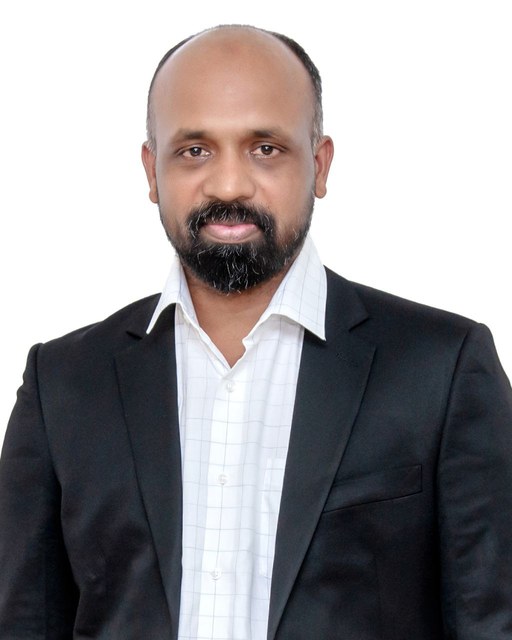
MBBS · MS · MCh (Surgical Oncology) | Consultant Surgical Oncologist & Lung Cancer Specialist | KG Hospital, Coimbatore
Dr. Prabhakaran U is a Consultant Surgical Oncologist specialising in minimally invasive cancer surgery, including Uniportal VATS, Robotic Surgery (Da Vinci X), HIPEC, and Scarless Thyroid Surgery (TOETVA). Fellowship trained at Tata Memorial Hospital Mumbai, Shanghai Pulmonary Hospital China, and National Cancer Centre Singapore. He has performed over 1,000 cancer surgeries at KG Hospital, Coimbatore.
More Articles

One incision. Less pain. Home in 3 days. India's leading VATS surgeons explain this revolutionary technique.

Da Vinci X robotic surgery offers precision, less blood loss, and faster recovery. Is it right for you?

Recognising early symptoms of cancer can save your life. Dr. Prabhakaran lists the signs every Indian should know.

How TOETVA removes the thyroid through the mouth — leaving absolutely no visible scar.
Consult Dr. Prabhakaran U — Consultant Surgical Oncologist at KG Hospital, Coimbatore. Fellowship-trained, Da Vinci X certified, experienced in 1,000+ cancer surgeries.