Can lung cancer be cured?
Yes — when detected early. Stage I lung cancer treated with surgery has a 5-year survival rate of 70–90%. Stage II: 50–65%. The key is early detection. Most patients who are diagnosed at Stage I or II are cured by surgery alone. Unfortunately, 70% of Indian patients present at Stage III or IV, when cure is much harder to achieve — making early detection critically important.
What is the best surgery for lung cancer?
For most patients with early-stage NSCLC, lobectomy (removal of the affected lobe) — performed by Uniportal VATS — is the gold standard. For smaller tumours, segmentectomy (removing only the affected segment) is increasingly preferred as it preserves more lung function with equivalent cancer control. Robotic surgery is used for complex cases. The best approach for each patient is decided after reviewing CT, PET-CT, and PFT results.
Is VATS lung surgery available in Coimbatore?
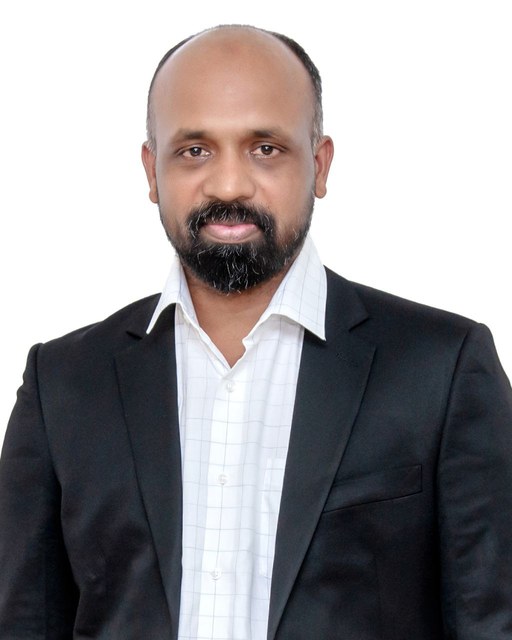
Yes. Dr. Prabhakaran U performs Uniportal VATS at KG Hospital, Coimbatore. He is fellowship trained in this technique at Shanghai Pulmonary Hospital, China — the world's highest-volume VATS centre — and Tata Memorial Hospital, Mumbai. Call +91 90826 99710 to arrange a consultation and bring your CT and PET-CT reports.
What are the symptoms of a mediastinal tumour?
Mediastinal tumours often cause chest pain, pressure, or tightness; shortness of breath; dry cough; or hoarseness. In thymoma, symptoms of myasthenia gravis (drooping eyelid, double vision, limb weakness) may occur. Many mediastinal tumours are found incidentally on a chest X-ray or CT scan done for another reason. Any unexplained chest symptoms should prompt evaluation with a CT scan.
What is thymoma and how is it treated?
Thymoma is a tumour of the thymus gland, located in the front of the chest (anterior mediastinum). It is the most common primary tumour of the anterior mediastinum in adults. Treatment is primarily surgical — complete removal of the thymus (thymectomy) through VATS, robotic surgery, or open sternotomy. Prognosis depends on the stage and completeness of resection. Many thymomas are cured by surgery alone.
How many days will I stay in hospital after VATS lung surgery?
Most patients are discharged 2–3 days after Uniportal VATS lobectomy, once the chest drain is removed and breathing is stable. Compare this to 7–10 days for open thoracotomy. Return to desk work is typically 2–3 weeks. The short hospital stay is one of the most valued benefits of minimally invasive thoracic surgery.
What happens if lung cancer has spread — is surgery still possible?
If lung cancer has spread to the mediastinal lymph nodes (Stage IIIA), surgery may still be possible after chemotherapy (neoadjuvant treatment) in selected patients — this is decided at the multidisciplinary tumour board. If cancer has spread to distant organs (Stage IV), surgery is usually not the primary treatment; systemic therapies (chemotherapy, targeted therapy, immunotherapy) are used instead. In some Stage IV cases, surgery to the primary tumour or isolated metastases may be considered.
I am a non-smoker — can I still get lung cancer?
Yes. Approximately 15% of lung cancers occur in non-smokers. In non-smokers, the most common type is adenocarcinoma, and a higher proportion carry targetable mutations (EGFR, ALK) — meaning targeted therapy is often highly effective. Air pollution, passive smoking, radon exposure, and genetic factors all play a role. Non-smokers with persistent respiratory symptoms should not assume it cannot be lung cancer.
What is the role of immunotherapy in lung cancer?
Immunotherapy (checkpoint inhibitors targeting PD-1/PDL-1) has transformed advanced lung cancer treatment. In patients with high PDL-1 expression, immunotherapy can achieve durable responses — with some patients remaining cancer-free for years. It is now used as first-line treatment for selected Stage IV NSCLC patients, and in combination with chemotherapy for others. Dr. Prabhakaran works closely with medical oncologists to integrate immunotherapy into the overall treatment plan.