๐Ÿ  Home All Expertise ๐Ÿฆ‹ Thyroid Cancer ๐Ÿ‘„ Oral Cancer ๐Ÿ—ฃ๏ธ Laryngeal Cancer ๐Ÿ” Unknown Primary (MUO) ๐Ÿค– Robotic Surgery ๐Ÿ”ฌ Laparoscopic Surgery Patient Info ๐Ÿ“ž Contact

Home โ€บ Expertise โ€บ Thyroid Cancer

๐Ÿฆ‹ Thyroid Cancer Surgery ยท Including Scarless Option (TOETVA)

Thyroid Cancer Surgery &
Scarless Thyroidectomy

Precise Diagnosis. Individualised Surgery. Excellent Long-Term Outcomes. โ€” Expert surgical management of thyroid cancer at KG Hospital, Coimbatore, including the option of scarless surgery through the mouth (TOETVA).

๐Ÿ“ž Book a Consultation
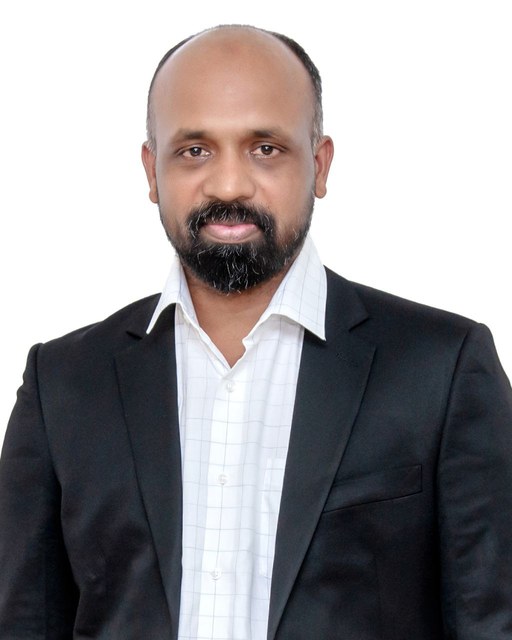
Dr. Prabhakaran U - Surgical Oncologist and Thyroid Cancer Surgeon at KG Hospital Coimbatore
Dr. Prabhakaran U
Surgical Oncologist &
Thyroid Cancer Surgeon
KG Hospital ยท Coimbatore

Understanding Thyroid Cancer

What is Thyroid Cancer?

Thyroid cancer arises in the thyroid gland, a butterfly-shaped gland in the front of the neck that regulates metabolism. It is one of the most curable cancers when diagnosed and treated appropriately โ€” the majority of cases are papillary thyroid cancer, which has an excellent long-term prognosis.

Incidence has risen in recent years, largely due to more sensitive ultrasound and imaging detecting small nodules that would previously have gone unnoticed. Thyroid cancer is more common in women, though it can occur at any age.

As a Surgical Oncologist trained in advanced thyroid surgery, Dr. Prabhakaran U offers both conventional thyroidectomy and, for suitable patients, Scarless Thyroid Surgery (TOETVA) โ€” performed entirely through the mouth with no visible neck scar.

๐Ÿ†
TOETVA Training: Trained at Police General Hospital, Bangkok, Thailand, under the direct mentorship of Dr. Angkoon Anuwong โ€” the surgeon who pioneered TOETVA.

๐Ÿ“Š Key Facts โ€” Thyroid Cancer

  • One of the most curable cancers when treated appropriately
  • Papillary thyroid cancer accounts for the majority of cases
  • More common in women than men
  • Differentiated thyroid cancer: 5-year survival over 95%
  • Scarless surgery (TOETVA) is an option for suitable patients, leaving no visible neck scar

Types of Thyroid Cancer

  • Papillary thyroid cancer โ€” the most common type, slow-growing with excellent prognosis
  • Follicular thyroid cancer โ€” also generally well-differentiated with good outcomes
  • Medullary thyroid cancer โ€” arises from different cells; sometimes hereditary, requiring genetic counselling
  • Anaplastic thyroid cancer โ€” rare and aggressive, requiring urgent multidisciplinary management

Recognising Thyroid Cancer

Symptoms & Diagnosis

Common Symptoms

  • A lump or nodule in the front of the neck โ€” often noticed by the patient or a family member
  • A neck lump that is growing in size
  • Hoarseness of voice
  • Difficulty swallowing
  • Enlarged lymph nodes in the neck
  • Difficulty breathing (in large or locally advanced tumours)

Most thyroid nodules are benign โ€” but any new or growing neck lump should be evaluated to rule out malignancy.

โš ๏ธ Do not wait: A new neck lump, especially one that is growing, hard, or accompanied by hoarseness or difficulty swallowing, should be evaluated with an ultrasound and, if indicated, a needle biopsy.

Diagnosis โ€” What Tests Are Needed?

  • Neck ultrasound โ€” the first and most important imaging test to characterise a thyroid nodule
  • FNAC (Fine Needle Aspiration Cytology) โ€” the key diagnostic test to determine whether a nodule is benign or malignant
  • Thyroid function tests โ€” assess whether the gland is functioning normally
  • CT or MRI โ€” used for large, locally advanced, or recurrent tumours to plan surgery
  • Genetic testing โ€” considered for medullary thyroid cancer or a strong family history
  • Multidisciplinary tumour board review โ€” before finalising the treatment plan

Surgical Treatment Options

Surgery for Thyroid Cancer โ€” Expert Care at KG Hospital

Surgery is the primary treatment for almost all thyroid cancers. Dr. Prabhakaran tailors the extent of surgery to tumour size, subtype, and risk:

๐Ÿฆ‹

Lobectomy (Hemithyroidectomy)

Removal of the affected half of the thyroid gland โ€” suitable for small, low-risk, unilateral tumours, preserving thyroid function.

๐Ÿฅ

Total Thyroidectomy

Removal of the entire thyroid gland โ€” recommended for larger tumours, bilateral disease, or high-risk features, often followed by radioactive iodine therapy.

๐Ÿ”—

Central & Lateral Neck Dissection

Removal of lymph nodes in the neck when there is evidence of nodal spread, performed alongside the thyroidectomy.

๐Ÿ˜ท

Scarless Thyroid Surgery (TOETVA)

Trans-Oral Endoscopic Thyroidectomy Vestibular Approach โ€” performed through three tiny incisions inside the lower lip, leaving absolutely no visible neck scar. Suitable for selected differentiated thyroid cancers.

๐Ÿ”ฌ

Intraoperative Nerve Monitoring

Used during surgery to help protect the recurrent laryngeal nerve, which controls the voice, reducing the risk of voice changes after surgery.

๐Ÿ’Š

Radioactive Iodine (RAI) & TSH Suppression

After surgery, radioactive iodine may be used to destroy residual thyroid tissue, and lifelong thyroid hormone therapy both replaces gland function and suppresses TSH to reduce recurrence risk.

๐Ÿ†
Scarless Thyroid Surgery (TOETVA) โ€” KG Hospital, Coimbatore
Trained under Dr. Angkoon Anuwong at Police General Hospital, Thailand โ€” the pioneer of TOETVA. Published studies show equivalent oncological outcomes to conventional surgery, with no visible scar. Especially valued by younger patients and women concerned about neck scarring.

Common Questions

Frequently Asked Questions

Is every thyroid nodule cancerous?
No โ€” the majority of thyroid nodules are benign. However, any new or growing nodule should be evaluated with ultrasound and, if indicated, an FNAC biopsy to rule out malignancy.
Will I need to take medication for life after thyroid cancer surgery?
After a total thyroidectomy, yes โ€” lifelong thyroid hormone replacement is required, and the dose is also used to suppress TSH, which helps reduce recurrence risk. After a lobectomy, many patients maintain normal thyroid function without medication.
Is TOETVA safe for thyroid cancer?
Yes. Published studies show equivalent oncological outcomes between TOETVA and conventional open thyroidectomy, with no visible scar. It is suitable for differentiated thyroid cancers (papillary and follicular) of appropriate size โ€” Dr. Prabhakaran assesses suitability individually.
What is the recovery time after thyroid surgery?
Most patients are discharged the day after surgery. Return to normal activity typically takes 1โ€“2 weeks, with full recovery in 2โ€“3 weeks. TOETVA patients follow a soft diet for the first several days while the mouth incisions heal.
Is thyroid cancer surgery available in Coimbatore?
Yes. Dr. Prabhakaran U performs both conventional and scarless (TOETVA) thyroid cancer surgery at KG Hospital, Coimbatore. Call +91 90826 99710 to arrange a consultation and bring your ultrasound and FNAC reports.

Related Expertise

Explore Related Head & Neck Cancer Care

Consult Dr. Prabhakaran โ€” Thyroid Cancer Surgeon

Surgical Oncologist ยท Scarless Surgery Trained (TOETVA)
KG Hospital, Coimbatore